
Kadamba Tree benefits uses and home remedies

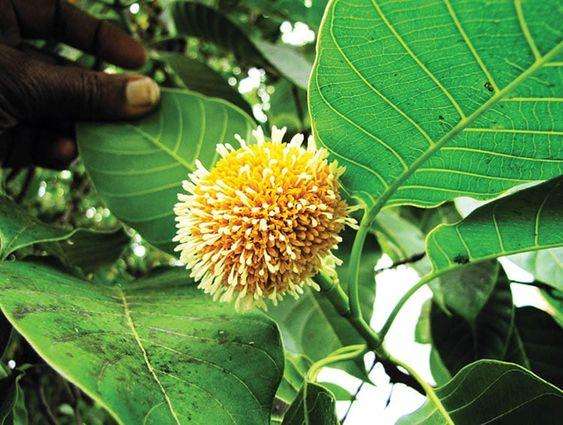
What are the benefits of Kadamba tree?
The Kadamba tree (Neolamarckia cadamba, formerly Anthocephalus cadamba) is one of India’s most respected sacred and medicinal trees. Known for its fragrant golden-orange flowers and fast growth, Kadamba tree benefits has been valued in Ayurveda, folk medicine, and spiritual traditions for centuries. It is also associated with Lord Krishna in Indian culture.
Today, modern science is beginning to validate many of kadamba tree traditional benefits and uses.
Names of Kadamba in different languages
- Latin Name: Neolamarckia cadamba
Vernacular Names: - Hindi: Kadam
- Bengali: Kadam
- Tamil: Vellaikadambu
- Telugu: Kadamba
- Marathi: Kadamb
- Gujarati: Kadam
- English : The Burflower tree
Sanskrit Names :
Vritt pushpa : The flowers are round in shape.
Halipriya : Liked by farmers
Lalanapriya : liked by women
Suvasa : good fragrance
Priyaka: look pleasant to the eyes.
Sindhupushpa: available in sindhu pradesh.
Ayurvedic properties of Kadamba tree
Ras ( Taste)
- Kashay ( Astringent)
Tikth ( Bitter)
- Kashay ( Astringent)
Veerya ( Potency)
- Sheet(Cold)
Vipaak ( Post-digestive effect)
- Katu (Pungent)
Guna ( Qualities)
- Laghu (Lightness)
- Ruksha (Dry)
Also read Basics of Ayurveda: Learn about Vata, Pitta, Kapha
Dosha Effect
Reduces Pitta and Kapha
Can increase Vata if taken in excess
Because of its bitter taste and cold potency, Kadamba tree is especially useful for conditions caused by excess heat and toxins in the body.
Health Benefits of Kalmegh
1. Supports Skin health
Kadamba bark and leaves are traditionally used in eczema, itching, acne, and wounds. Skin issues often come from aggravated Pitta and impure blood (Rakta dushti). Kadamba’s cooling and astringent nature helps calm heat and dryness while tightening tissues. Kadamba produces a strong antifungal action. It can be used to treat fungal infections of the skin, and ears. The extract of the leaf and bark of this herb produce an antifungal activity, which helps to eliminate the fungi. It can also be used to treat infections caused due to a wide range of fungi including Candida Albicans and Aspergillus Fumigatus.
2. Anti- Diabetic activity
Frequent use of Kadamba is highly beneficial for the patients suffering from diabetes mellitus. It is a metabolic disorder characterized by increased levels of blood sugar due to the alterations in the metabolism of carbohydrates.
It occurs due to the reduced production of insulin in the pancreas or the inability of the body’s cells to respond to the insulin in an appropriate way. As a result of these abnormalities, the carbohydrates consumed by the person cannot be metabolized leading to high blood sugar levels.
3. Musculo-skeltal diseases
Kadamba is quite beneficial to treat the joint and muscle disorders like arthritis, muscle stiffness, and rheumatism. It acts as a natural analgesic and anti-inflammatory agent. It contains flavonoids like quercetin, daidzein, silymarin apigenin, and genistein, which help to provide relief from the pain and stiffness caused due to the musculoskeletal disorders.
Kadamba prevents the worsening of the joint diseases by preventing inflammation and the age-related wear and tear of the joints. The active constituents in Kadamba also reduce swelling in the joints and ease the movements.
4. Beneficial for Parasitic infections
Kadamba produces an anthelminthic activity, which has been proved during research. This herb is effective in the management of several parasitic infections including roundworm, tapeworm, pinworm, and threadworm.
Parasitic infections occur due to the unhygienic habits and the consumption of contaminated foods. A regular use of Kadamba helps to prevent the recurrent parasitic infections by enhancing the immunity of the person. It can also help to reduce the symptoms of these infections such as pain in the abdomen, nausea, vomiting, loose motions, and reduced appetite.
5. Improves Digestive Health
Kadamba can be used to treat the symptoms caused due to the digestive disturbances such as loose motions, abdominal cramps, and vomiting. Its Kashaya rasa (astringent taste) helps absorb excess moisture and strengthen intestines. The wound healing properties of kadamba tree makes it very beneficial for inflammatory bowel disease and ulcrative colitis.
Classical Categorization:
Charak samhita:
Vedanastapana: one of herb in group of herbs that are used for pain relief.
Shukrashodhana: One of the herb in group of that cleanse and detox semen, male and female reproductive system.
Vamanopag : group of herbs useful in Vaman, a Panchkarma treatment.
Sushruta samhita : Nyogradadi, Rodradi
Bhavprakash Nighnatu: Pushp Varga
Actions (Karma) of Kalmegh in Ayurveda
Shishira - Coolant
Grahi - Absorbent, useful in diarrhea
Guru- Heavy to digest.
Vranaropan - heals wound.
Vishtambrut- Causes constipation
Shukravardhan - Improves sperm & semen quantity and quality
Jvaraghna - useful in fever
How to use Kadamba
Kadamba is available in different forms. The choice depends on the condition and convenience.
1. Kadamba Powder
1 to 2 gms two times a day.
Commonly mixed with warm water or honey
2. Kadamba Decoction (Kadha)
Leaves are boiled in water to make decoction.
Often used for skin problems or during detox programs
Parts Used : Bark and Fruits.
What are the side effects of Kadamba ?
Like any other Ayurvedic herb kadamba is having many health benefits . However , it may have some side effects as well They include
Allergic Rashes
If someone is sensitive to kadamba they may see skin rashes or redness and itching. In this condition it is advisable to discontinue the use .
It may also increase Vata dosha in the body and therefore increase problems like joint pain.
Kadamba may reduce blood glucose level in the body.
Precaution
During breast feeding avoid consuming Kadamba.
Avoid consuming Kadamba during pregnancy due to lack of research on safety during pregnancy.
Always use Kadamba in recommended dosage to avoid potential side effects such as nausea and bloating. It is better to ask Ayurveda doctor about dose and suitability for your body type.
If you have pre existing medical conditions or taking any medications, consult a doctor before using Kadamba. This ensures that there are no harmful interactions or contraindications.
Don’t use Kadamba continuosly for long period of time . Take break to allow your body to respond appropriately. Also when we use any herb continuosly ,then the body becomes use to it and it don’t respond to it.
Store Kadamba in cool and dark place to maintain its potency and prevent it from contamination. Proper storage helps in retaining its therapeutic value.
Frequently asked question
1.Can this herb be used while taking homeopathic medicine ?
Yes. This herb does not react with homeopathic medicine.
2.Can this herb/medicine be continued while taking supplements like multivitamin, omega 3, spirulina ?
Yes .Generally this herb goes well with most dietary supplement. However if you are taking more than one product per day please consult your doctor for opinion.
3. With western/modern medicine
Seek your doctors advice if you are taking this product along with other western (allopathic/modern) medicine. Some ayurvedic herbs can interact with modern medicine.
When taking ayurvedic medicine or herb with modern medicine it is best to keep one hour gap in between both the medicine.
4. How long does kadamba take to start showing benefits ?
It depend on any existing disease, overall health, your prakriti ( genetic make up) all these factors plays a role in how quickly kadamba tree powder benefits are seen.
5.Can it be used in people with diabetes?
Yes. But always keep watch on your sugar levels. This herb can lower your blood sugar levels. Do not stop your diabetes medicine once you start taking this herb/medicine. Keep in touch with your ayurvedic doctor. They will guide you in this respect.
6.Are there any diet restriction( Pathya) while taking this seeds ?
No .There are no such restriction while taking this product. However if you have been advised with any specific diet based on disease, you should continue to follow it.
Ayurvedic medicines that contains Kadamba
- Nyagrodhadi Kashay : This is ayurvedic medicine in decoction form used in treatment of pitta related problem, wound, rakthpitt, thirst, fracture, vaginal diseses.
- Grahanimihira taila : It is an medicated ayurvedic oil used in management of fever, cough, asthma, malabsorption syndrome and thirst. This oil is used externally to treat wrinkled skin and external piles.
Conclusion
The Kadamba tree is a beautiful example of how nature combines spirituality, medicine, and ecology. Ayurveda values it for cooling, healing, and cleansing effects, while modern science supports its antioxidant, antimicrobial, and anti-inflammatory potential.
Though more human clinical studies are needed, Kadamba remains a respected traditional remedy and a valuable tree for health and the environment.