Ayurveda for Stress: Natural Remedies, Benefits, and Lifestyle Tips


Introduction to Ayurveda and Its Approach to Stress
Ayurveda for stress offers a natural way to find calm and balance. Ayurveda is an ancient Indian system of medicine. It focuses on the mind, body, and spirit. Unlike some modern methods, Ayurveda looks for the root cause of stress. It uses herbs, diet, and lifestyle changes to help you feel better. Because stress affects many people today, learning about Ayurveda can be helpful. Many people seek natural stress relief through Ayurveda. This approach is gentle and safe for most people.
Common Symptoms and Effects of Stress
Stress can show up in many ways. Sometimes, you may not notice the signs right away. However, knowing the symptoms can help you act early. Common signs of stress include:
Over time, stress can affect your health. For example, it may raise your risk for heart problems or weaken your immune system. Therefore, managing stress is important for your overall well-being.
Ayurvedic Causes and Concepts Related to Stress
In Ayurveda, stress is often linked to an imbalance in the body’s energies, called doshas. There are three main doshas: Vata, Pitta, and Kapha. Each person has a unique mix of these doshas. When they are out of balance, stress and illness can occur. For instance, too much Vata can cause worry and restlessness. Excess Pitta may lead to anger or frustration. Too much Kapha can make you feel sad or tired. Ayurveda stress management focuses on bringing these doshas back into balance. This helps restore calm and health.
Evidence-Based Ayurvedic Remedies for Stress
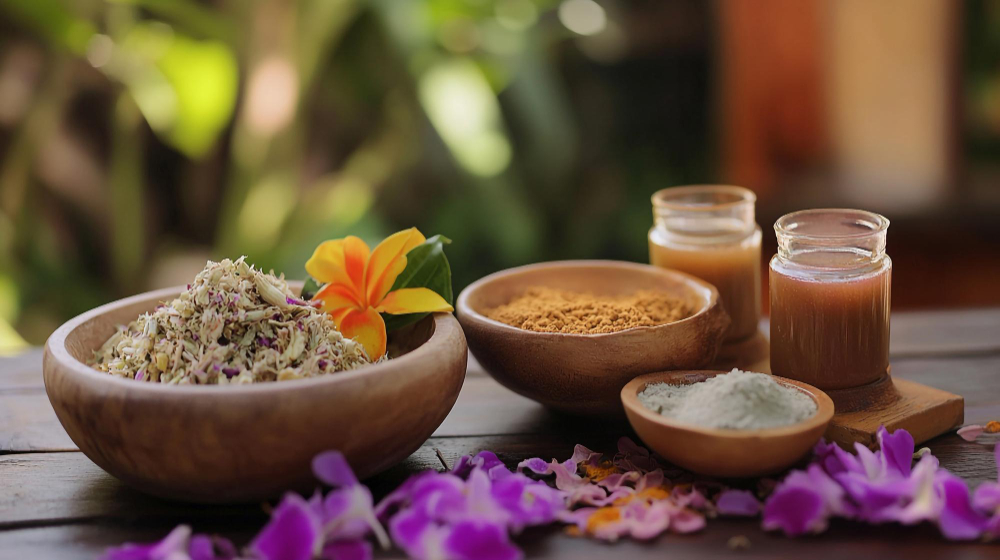
Ayurveda offers many natural remedies for stress. Some have been studied in medical journals and show promise. Here are some popular Ayurvedic remedies for stress:
According to research published in peer-reviewed journals, these remedies can support natural stress relief. However, always use them under guidance from a trained practitioner.
Lifestyle and Dietary Tips from Ayurveda to Manage Stress
Ayurveda for stress also includes daily habits and food choices. These tips can help you feel better every day. For example, you can:
With these simple steps, you can support your mind and body. Over time, these habits may help reduce stress naturally.
Prevention Strategies Using Ayurvedic Principles
Preventing stress is just as important as treating it. Ayurveda stress management suggests a few key strategies:
By following these Ayurvedic principles, you can build resilience and prevent stress from taking over your life.
When to Seek Professional Help
Sometimes, stress can feel overwhelming. If you notice that stress is affecting your daily life, it is important to seek help. For example, if you have trouble sleeping for many nights, feel very sad, or cannot manage daily tasks, talk to a healthcare provider. In addition, consult a qualified Ayurvedic practitioner for personalized stress management advice. They can help you find the best remedies and support for your needs.