Ayurveda for PMOS: Natural Approaches to Managing Polycystic Ovarian Syndrome

Understanding PMOS and Its Impact
Polycystic Ovarian Syndrome (PMOS) is a common health issue among women. It affects hormone levels and can cause irregular periods, weight gain, and acne. Many women also face trouble with fertility. Because PMOS can impact daily life, finding safe and natural ways to manage it is important. Ayurveda for PMOS offers gentle, holistic options for support.
What Is Ayurveda?
Ayurveda is an ancient system of medicine from India. It focuses on balancing the body, mind, and spirit. According to Ayurveda, health depends on three energies, called doshas: Vata, Pitta, and Kapha. When these doshas are balanced, the body works well. However, if they are out of balance, health problems like PMOS can occur. Ayurveda uses herbs, diet, and lifestyle changes to restore balance.
Ayurvedic View: Causes and Understanding of PMOS
In Ayurveda, PMOS is often linked to an imbalance in the Kapha and Vata doshas. For example, poor digestion, unhealthy diet, and stress can disturb these doshas. As a result, toxins (called ama) build up in the body. This can block channels and affect the ovaries. Therefore, Ayurveda aims to remove toxins and restore balance.
How Ayurveda Diagnoses PMOS
Ayurvedic doctors use several methods to diagnose PMOS. First, they ask about your symptoms and health history. Next, they check your pulse, tongue, and eyes. Sometimes, they may also look at your skin and nails. These steps help find which doshas are out of balance. Because every person is unique, Ayurveda offers a personalized approach.
Ayurvedic Treatments for PMOS
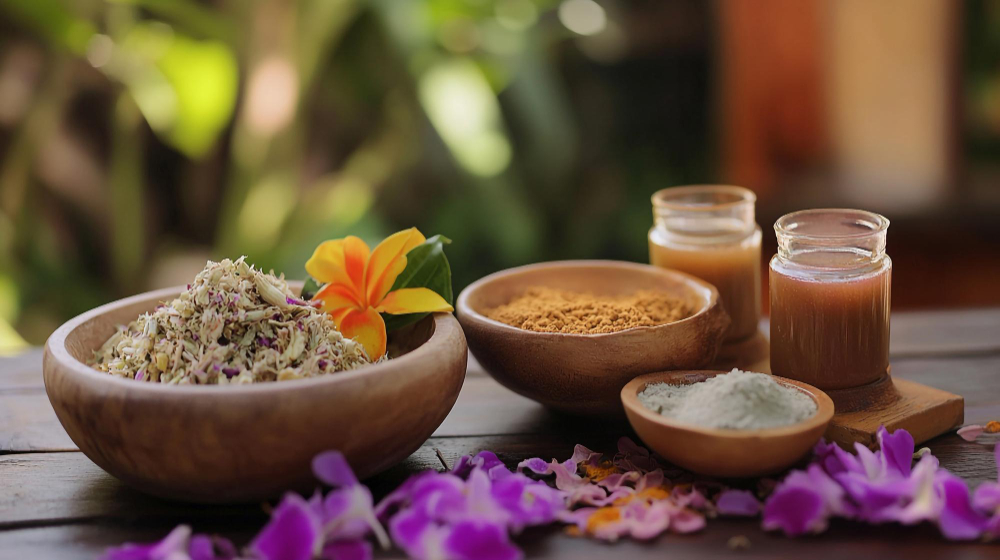
Ayurveda for PMOS uses a mix of herbs, therapies, diet, and lifestyle changes. Below are some common natural remedies for PMOS:
Because each woman is different, an Ayurvedic doctor will suggest the best mix of treatments for you.
Diet and Lifestyle Guidance in Ayurveda
Ayurveda for PMOS also focuses on healthy eating and daily habits. For example, eating fresh, home-cooked meals can help digestion. Here are some tips:
In addition, managing stress with meditation or gentle yoga is helpful. These steps can support hormone balance and improve overall health.
Prevention and Long-Term Management
Ayurveda teaches that small daily habits can prevent health problems. To manage PMOS in the long term, try these steps:
Because PMOS is a long-term condition, ongoing care is important. Ayurveda clinics in your city can offer support and guidance.
Summary and Actionable Advice
In summary, Ayurveda for PMOS provides natural remedies and lifestyle changes to help manage symptoms. With the right herbs, diet, and daily habits, many women find relief. However, it is important to remember that every person is unique. Therefore, consult a qualified Ayurvedic practitioner for personalized PMOS management.