
Kantakari benefits in Ayurveda, uses, remedies

What are the benefits of Kantakari?
Kantakari benefits include relief from cough, asthma, bronchitis, urinary disorders, digestive issues, and immune weakness.
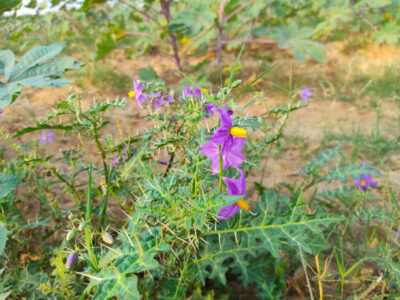
In Ayurveda, Kantakari (Solanum xanthocarpum) is mainly used to clear mucus, improve breathing, and balance Kapha and Vata dosha.
This powerful herb is also a key ingredient in the classical formulation Dashamoola.
Let’s explore everything in detail.
Names of Kantakari in different languages
- Latin Name: Solanum xanthocarpum
Vernacular Names: - Hindi: Kateli,
- Bengali: Kantakari
- Tamil: Kandankathiri
- Telugu: Nela Mulaka
- Marathi: Kiriath
- Gujarati: Kariyathu
- English : Yellow Berried Nightshade
Sanskrit Names :
Ayurvedic properties of Kantakari powder
Ras ( Taste)
- Tikth ( Bitter)
- Katu (Pungent)
Veerya ( Potency)
- Ushna (Hot)
Vipaak ( Post-digestive effect)
- Katu (Pungent)
Guna ( Qualities)
- Laghu (Lightness)
- Ruksha (Dry)
Also read Basics of Ayurveda: Learn about Vata, Pitta, Kapha
Dosha Effect
Reduces Kapha and Vata
Because of its hot potency and drying nature, Kantakari helps remove excess mucus and clear blockages in the body.
Classical Categorization
Charak Samhita
Kashar - a group of herbs that are used in treating cough and cold
Shothahar- group of herbs having anti inflammatory properties.
Hikkkanigrahan - group of herbs that are used in relieving hiccups
Kanthya : group of herbs that are good for throat
Angamardaprashnam- group of herbs useful in treating aches and pain.
Shushrut - Brihatyadi, Varunadi, Laghupanchmoola
Vaghbhata - Brihatyadi, Varunadi gana
Bhav.P. Nighantu - Guduchyadi Varga
Health Benefits of Kantakari
1. Supports respiratory health
Kantakari is best known as an Ayurvedic herb for cough and asthma.
It helps:
Reduce mucus buildup
Open blocked airways
Relieve wheezing
Improve breathing
It is commonly used in bronchitis, allergic cough, and asthma.
2. Kantakari benefits in cold and chronic cough
Its warming and expectorant properties help:
Break down thick phlegm
Soothe throat irritation
Reduce dry and wet cough
It is often used in herbal cough syrups.
3. Kantakari Benefits for Urinary Disorders
In Ayurveda, Kantakari is used to:
Reduce burning urination
Support kidney health
Reduce urinary tract inflammation
Its diuretic properties help flush out toxins.
4. Beneficial in Arthritis and joint pain
Kantakari is having anti inflammatory property, which helps in managing bone and joint issues like:
Rheumatoid Arthritis
Back pain
Frozen shoulder
Spondilities
5. Improves Digestive Health
Kantakari stimulates digestive fire (Agni) and helps in:
Reducing bloating
Improving appetite
Managing indigestion
Its pungent post-digestive effect supports better metabolism.
Actions (Karma) of Kantakari in Ayurveda
Shwasajit – useful in treatment of asthma and chronic respiratory disorders.
Aruchihara – useful in relieving anorexia
Jvarahara – useful in fever
Vatahara – useful in treating disorders of Vata Dosha imbalance
Amadoshahara – relieves Ama – a state of disturbed digestion and metabolism
Kantakari fruit is especially useful in treating fever
Kanduhara – it is useful in treating pruritus (excessive itching)
Kushtahara – useful in skin diseases
Krumighna – useful in worm infestation
Hrudamaya – useful in cardiac disorders
Shukra Rechana – it helps in ejaculation
Agnikrut – improves digestion strength
Medahara – useful in obesity and reducing fat and cholesterol deposition
Bala Pushtikara – improves strength, immunity and nourishment.
Its seeds are used in treating amenorrhea, and painful delivery
How to use Kantakari
Kantakari is available in different forms. The choice depends on the condition and convenience.
1. Kantakari Powder
Dosage : 1 to 3 grams two to three times a day.Commonly mixed with warm water or honey
2. Kantakari decoctionn
Dosage : 10 to 15 ml two to three times a day .
Parts used :
Whole plant, root, fruit.
What are the side effects of Kantkari ?
Like any other Ayurvedic herb kantakari is having many health benefits . However , it may have some side effects as well They include
Allergic Rashes
If someone is sensitive to kantakari they may see skin rashes or redness and itching. In this condition it is advisable to discontinue the use .
It may also increase pitta dosha in the body and therefore increase problems like acidity.
Precaution
During breast feeding avoid consuming Kantakari.
Avoid consuming Kantakari during pregnancy due to lack of research on safety during pregnancy.
Always use Kantakari in recommended dosage to avoid potential side effects such as nausea and bloating. It is better to ask Ayurveda doctor about dose and suitability for your body type.
If you have pre existing medical conditions or taking any medications, consult a doctor before using KantakariThis ensures that there are no harmful interactions or contraindications.
Don’t use Kantakari continuosly for long period of time . Take break to allow your body to respond appropriately. Also when we use any herb continuosly ,then the body becomes use to it and it don’t respond to it.
Store Kantakari in cool and dark place to maintain its potency and prevent it from contamination. Proper storage helps in retaining its therapeutic value.
Ayurvedic medicines that contains Kantakari
- Dashmool kadha : This is ayurvedic medicine used in treatment of bronchitis, asthma arthritis and joint pain.
- Khadiradi gutika : Used in treatment of cough .
- Kantakari Avaleha: used in treating asthma
Research
Research articles related to Andrographis paniculata:
Anti- oxidant properties: S. surattense extract effectively scavenged free radicals at all different concentrations and showed its potent antioxidant activity. Further, these effects were in a dose dependent manner. Results were compared to standard antioxidants such as butylated hydroxytoluene, ascorbic acid and α-tocopherol.
Kantakari avaleha in bronchial Asthma: A total of 69 patients with mild to moderate bronchial asthma were selected randomly and divided into groups A and B. Patients of groups A were treated with Kantakari Avaleha, whereas patients of groups B received Kantakari Avaleha granules. These dosage forms of Kantakari were given in the dose of six grams with lukewarm water before breakfast and dinner for 60 days and followed up for the next 30 days.Both dosage forms of Kantkari were found to be effective treatments for bronchial asthma with significant relieving capacity as internal use for over 2 months. Hence, Kantakari Avaleha granules could be substituted for Kantakari Avaleha.
Conclusion
Kantakari (Solanum xanthocarpum) is a powerful Ayurvedic herb mainly used for respiratory health, cough, asthma, and Kapha disorders. As part of Dashamoola, it plays a major role in classical Ayurvedic formulations.
Its ability to clear mucus, support digestion, and balance Vata-Kapha makes it a valuable herb in traditional medicine. However, it should always be used under the guidance of a qualified practitioner for safe and effective results.
If used correctly, Kantakari can be a natural support for stronger lungs and better immunity.