Fallopian Tube block
Holistic & Long-Lasting Relief through Ayurveda
What are fallopian tubes?
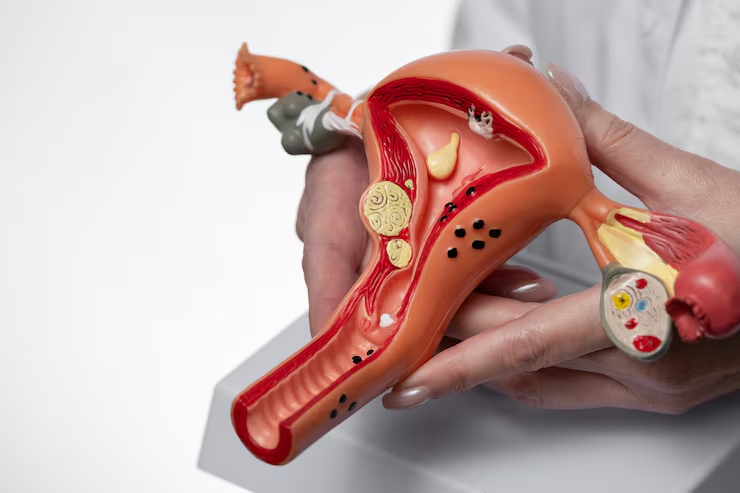
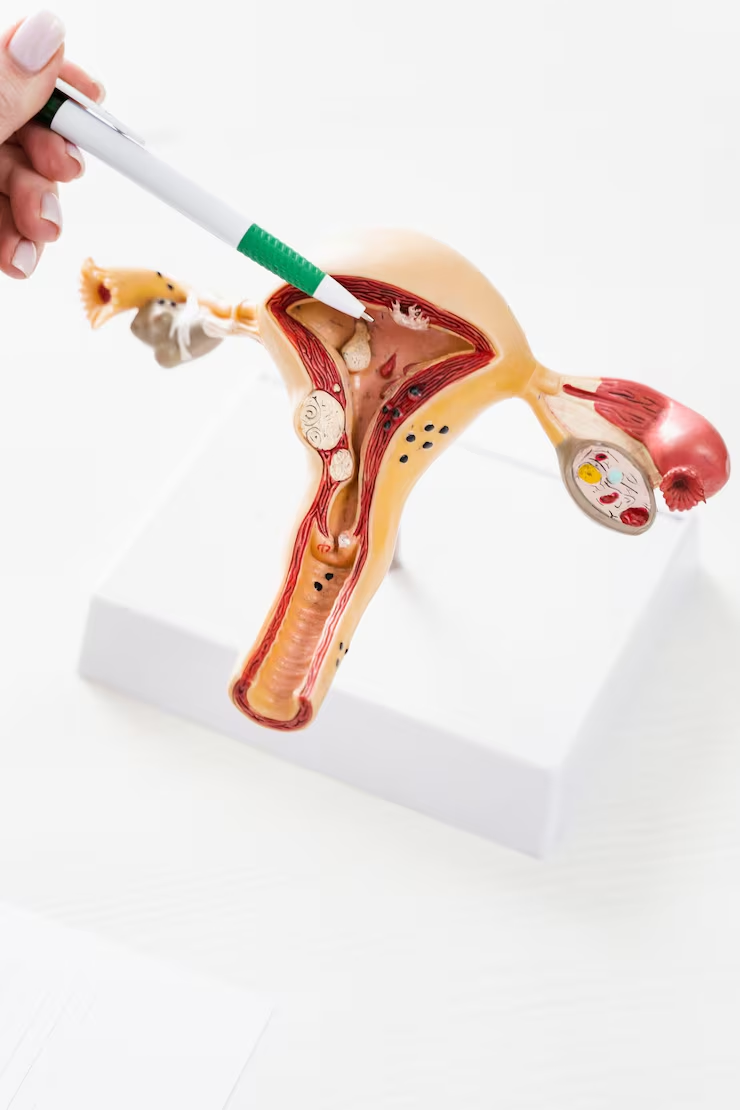
The female reproductive system's fallopian tubes are a pair of tubes that transport eggs from the ovaries to the uterus. Other names for them include salpinges, oviducts, and uterine tubes.
The Function of the fallopian tube is to deliver eggs to the uterus from the ovaries, nourish them, and aid in fertilization.
The muscular fallopian tubes are coated with tiny structures that resemble hair. These "hairs" function both ways, assisting sperm in ascending from the womb and an egg in descending from the ovaries to the uterus.
Fimbriae, which resemble fingers, are where each fallopian tube terminates. When the ovary releases an egg, the fimbriae catch and direct it.
What are the different types of tube blockages?
- There are three possible locations for fallopian tube blockage: Close to the uterus is proximal.
- Medial: In the tube's center.
- Distal: Close to the fimbria at the tube's end.
Identifying the several fallopian tube blockage causes:
- PID: Sexually transmitted infections (STIs) such as gonorrhea or chlamydia can cause pelvic inflammatory disease (PID), an inflammation of the reproductive organs.
- Endometriosis: The fallopian tubes may be impacted by tissue that resembles the lining of the uterus growing outside of it.
- Prior pelvic surgery: The tubes may become blocked by adhesions (scar tissue) from C-sections or other pelvic operations.
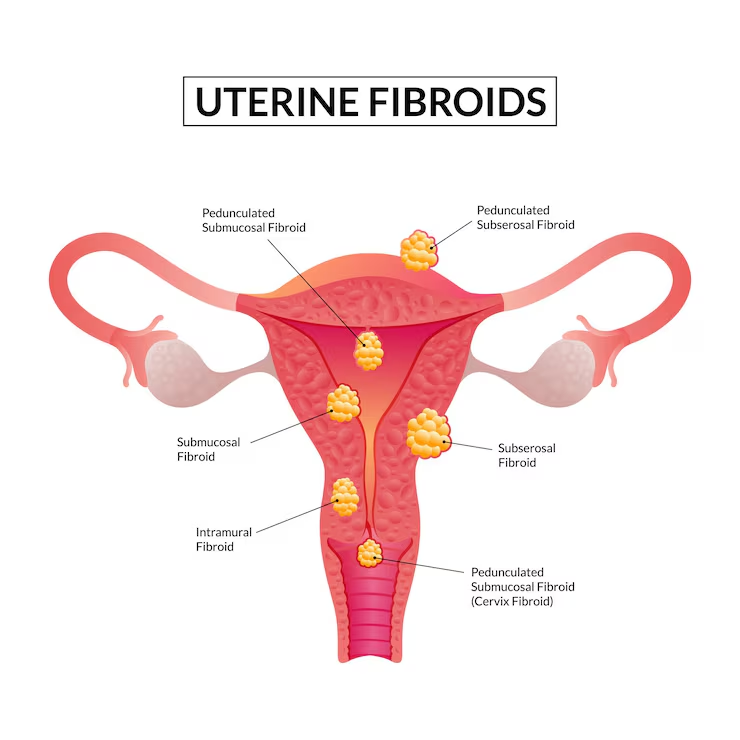
- Fibroids: The fallopian tubes may occasionally be compressed by noncancerous growths in the uterus.
- Congenital abnormalities: In rare cases, women may have deformed or obstructed fallopian tubes from birth.
- Hydrosalpinx: When fluid builds up, it causes hydrosalpinx, which causes the fallopian tube to expand and become blocked.
Ayurveda views tubal blockage as a "Vata-Kapha" imbalance, in which contractions and adhesions are caused by the "Vata" dosha, a body fluid linked to movement and air, while blockages are caused by the "Kapha" dosha, a body fluid linked to structure and stability.
Ayurvedic treatment for tubal blockage, such as certain herbal remedies and practices like Uttarbasti (herbal vaginal administration), can aid in detoxifying the fallopian tubes and uterus, possibly removing obstructions. If you are looking for, blocked fallopian tubes treatment in Nagpur you should visit Risha Ayurveda Clinic for better result.
Ayurvedic treatment for Blocked fallopian tube
The goal of Ayurvedic treatment is to heal the gut, remove toxins, and restore the balance of doshas through holistic therapies, herbal medicines, and diet correction.
1. Detoxification
Gentle cleansing therapies like Virechan (purgation) and Basti (medicated enema) help remove toxins and reduce inflammation in the uterus and fallopian tube.
2. Diet and Lifestyle
A light and soothing diet (Pathya Aahar) helps reduce Pitta and calm the intestines.
3. Dosha Balancing
Formulations such as Ashoka, Bilva, Mustak, Guduchi, Dry ginger , and are commonly used in ayurvedic treatment.
Book Your Appointment Today
Fill in your details and our team will get in touch with you within 24 hours to schedule your consultation.
Around 50% of people suffer from some form of gastric or digestive problem.
Risha Ayurveda is a trusted name in Ayurvedic treatment, with expertise in providing safe and natural remedies for various digestive issues.