
Kasni benefits in Ayurveda, uses and remedies

What are the benefits of Kasni?
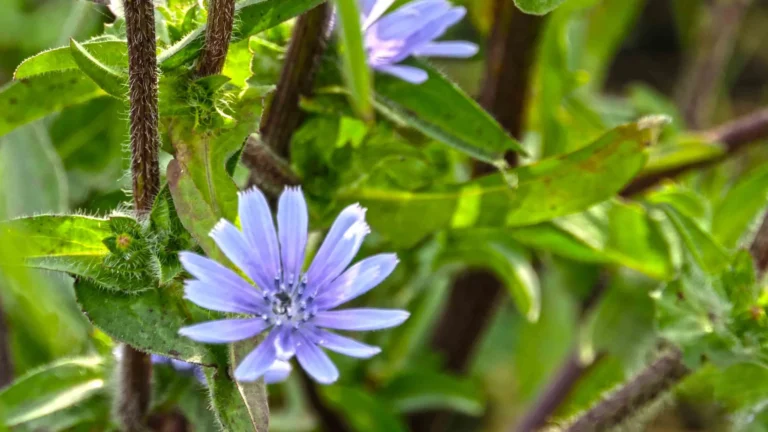
Kasni, also known as chicory, is a well-known herb in Ayurveda. It is valued for its cooling nature and powerful effects on the liver and digestion. This plant grows easily in many parts of India and has been used for centuries in traditional medicine.
Ayurveda considers Kasni a natural healer, especially for liver problems, blood purification, and improving digestion.Today, many people are searching for kasni benefits because of its natural ability to detox the body and improve overall wellness.
Names of Kasni in different languages
- Latin Name: Cichorium intybus
Vernacular Names: - Hindi: Kasni
- Bengali: Kasni shaak
- Tamil: Kasini kkerai
- Telugu: Kasani
- English : Chicory
Sanskrit Names :
Gulahanta - Plant appears like a bush
Kasanaja - Reduces cough
Ayurvedic properties of Kasni powder
Ras ( Taste)
- Tikth ( Bitter)
Veerya ( Potency)
- Ushna (Hot)
Vipaak ( Post-digestive effect)
- Katu (Pungent)
Guna ( Qualities)
- Laghu (Lightness)
- Ruksha (Dry)
Also read Basics of Ayurveda: Learn about Vata, Pitta, Kapha
Dosha Effect
Reduces Pitta and Kapha
Can increase Vata if taken in excess
Because of its bitter taste and hot potency, Kasni is especially useful for conditions caused by excess heat and toxins in the body.
Health Benefits of Kasni
1. Supports Liver health
Kasni is extensively used to treat liver ailments, reducing elevated liver enzymes and supporting the treatment of cirrhosis and jaundice. It increases bile secretion, aiding in efficient digestion and detoxfication.
2. Boost Digestion
The bitter taste of Kasni stimulates gastric juices and enhances Agni . This helps in better digestion by increasing appetite and, due to its prebiotic content (inulin), helps relieve bloating and also chronic constipation.
3. Respiratory Support
Kasni extract acts as a good expectorant, offering relief from respiratory issues like hay fever and asthma.
4. Anti-inflammatory & Pain Releif
It is effective in reducing inflammation, making it useful for treating arthritis pain, joint discomfort, and even skin infections.
4. Blood sugar regulation
A 2016 randomized controlled trial showed that Kasani seed powder, 500 mg twice daily, reduced fasting blood glucose by 12% over eight weeks in prediabetic subjects. This effect is attributed to inulin’s modulation of carbohydrate absorption.
Actions (Karma) of Kasni in Ayurveda
Yakrut Vikara - Useful in liver enlargement ( Hepatomegaly)
Hrudroga - Effective in heart health
Mutrakrichha - useful in urinary tract problems such as difficulty in micturation
Kapha- Pitta hari - useful in managing Kapha and Pitta disorders.
Chemical Constituents of Chichorium intybus
The herb contains upto 60% inulin, sesquiterpene, lactnes and coumarins. Raw chichory roots contains citric acid and tartaric acid. The roasted seeds of chichory contains acetic, lactic, pyromucic, palmitic and tartaric acid. When added to coffee, the chicory root counter acts caffeine.
How to use Kasni
Kasni is available in different forms. The choice depends on the condition and convenience.
1. Kasni root Powder
Doasge : 3 to 5 gms two times daily.
Commonly mixed with warm water or honey
2. Kasni syrup
Dosage : 10 to 15 ml two times a days
More palatable and easy to use.
3. Kasni Decoction (Kadha)
Doasge : 20 to 30 ml two times a day.
Widely used for immunity and liver support
What are the side effects of Kasni ?
Like any other Ayurvedic herb kasni is having many health benefits . However, it may have some side effects as well .They include
- If someone is sensitive to Asteraceae family plant they may see skin rashes or redness and itching. In this condition it is advisable to discontinue the use .
- It may also increase Vata dosha in the body and therefore increase problems like dryness.
- Potential side effects include muld diarrhea or stomach cramps if overdosed, especially in Vata prone individuals.
Precaution
During breast feeding avoid consuming Kasni.
Avoid consuming Kasni during pregnancy due to lack of research on safety during pregnancy.
Always use Kasni in recommended dosage to avoid potential side effects such as nausea and bloating. It is better to ask Ayurveda doctor about dose and suitability for your body type.
If you have pre existing medical conditions especially an active peptic ulcer or gall bladder stone or taking any medications, consult a doctor before using Kasni. This ensures that there are no harmful interactions or contraindications.
Don’t use Kasni continuosly for long period of time . Take break to allow your body to respond appropriately. Also when we use any herb continuosly ,then the body becomes use to it and it don’t respond to it.
Store Kasni in cool and dark place to maintain its potency and prevent it from contamination. Proper storage helps in retaining its therapeutic value.
Ayurvedic medicines that contains Kasni
- Vasuliv strup: This is an proprietary ayurvedic medicine used in treatment of liver disorder, lack of appetite and promotion of natural growth
- Bonnisan Drops : It is an proprietary ayurvedic medicine used to treat colic pain in infants, diarrhea, dysentary, abdominal pain and dyspepsia.
Research
Recent studies have bridged classical knowledge and laboratory findings on Kasani. A 2020 Indian Journal of Pharmacology meta-analysis reviewed five clinical trials on Kasani’s hypoglycemic action, confirming a 10–15% reduction in fasting glucose when used adjunctively with dietary measures. Another 2021 in vitro study at the University of Pune found chicoric acid from Kasani inhibits pro-inflammatory cytokines (TNF-α, IL-6), aligning with its Pitta-pacifying reputation. Yet, researchers note a gap: large-scale, placebo-controlled studies on fatty liver patients are still lacking.
A study published in Phytotherapy Research (2019) evaluated a Kasani-leaf nanoemulsion topical gel, which showed significant antimicrobial activity against Staphylococcus aureus—suggesting skin-care potential beyond traditional oral use. Conversely, a small rat trial observed mild diuretic impact without electrolyte imbalance, supporting its classical mention as a “mild mamsavaha srotas cleaner.” Future research should explore dose–response curves and long-term safety, especially in combination therapies with other Ayurvedic tonics.
Conclusion
Kasni is a powerful Ayurvedic herb with multiple health advantages. From liver detox to digestion and skin care, the list of kasni benefits makes it a valuable addition to a natural lifestyle.
Using kasni regularly in the right way can help improve your overall health in a gentle and natural manner.
👉 Always remember: use herbs wisely and consult an expert when needed.