
Kutaj benefits uses and home remedies

What are the benefits of Kutaj ?
Ayurveda has been using natural herbs for thousands of years to support health and healing. One such powerful herb is Kutaj. Known for its strong action on digestive health, it has become a go-to remedy in many traditional treatments.
In this blog, we will explore Kutaj benefits, its uses, and why it is still trusted in modern natural medicine.
Names of Kutaj in different languages
- Latin Name: Andrographis paniculata
Vernacular Names: - Hindi: Kuda, Kutaj
- Malayalam: Kudagappala
- Tamil: Kutasapali
- Telugu: Kodisapala, Kodaga
- Marathi: Kadu
- Kannad: Kodasige
- Gujrati : Kudo
- English : Conessi tree, Conessi bark
Sanskrit Names :
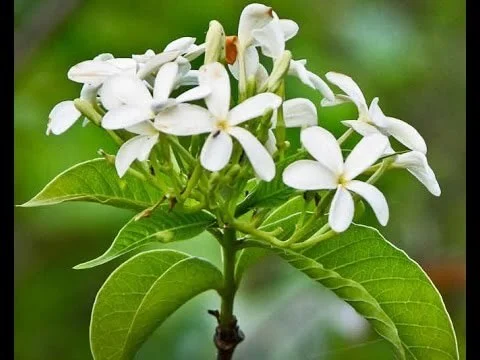
Girimallika - the flowers resemble jasmine
Indravriksha- found in mahendra parvat area
Chakrasakhi - plant grow gregariously.
Pravrushyeeya- blossoms in rainy season
Mallikapushpa- flowers are white is color and looks like jasmine flower.
Yavaphala- seeds are barley shaped
Samgrahi - stops diarrhea
Varatikth - one of best tikth dravya
Vatsaka- found in vindhya mountain
Vrukshaka- it is a small tree.
Kalinga- it is found in kalinga area now orissa.
Ayurvedic properties of Kutaj powder
Ras ( Taste)
- Tikth ( Bitter)
- Kashay ( Astringent)
Veerya ( Potency)
- Sheet (Cold)
Vipaak ( Post-digestive effect)
- Katu (Pungent)
Guna ( Qualities)
- Laghu (Lightness)
- Ruksha (Dry)
Also read Basics of Ayurveda: Learn about Vata, Pitta, Kapha
Charaka Samhita: Classified under Arshoghna (hemorrhoids-treating),
Kandughna (relieving itching), Stanyasodhana (cleansing breast milk),
and Asthapanopaga (used in enemas) groups.
Sushruta Samhita: Included in Aragvadhadhi , Pippalyadi, Haridradim ,
and Lakshadi ganas (formula groups).
Bhavaprakasha Nighantu: Placed under Guduchyadi varga .
Dhanvantari Nighantu: Placed under Shatapushpadi varga
Classical Categarization
Charaka Samhita: Classified under Arshoghna (hemorrhoids-treating),
Kandughna (relieving itching), Stanyasodhana (cleansing breast milk),
and Asthapanopaga (used in enemas) groups.
Sushruta Samhita: Included in Aragvadhadhi , Pippalyadi, Haridradim ,
and Lakshadi ganas (formula groups).
Bhavaprakasha Nighantu: Placed under Guduchyadi varga .
Dhanvantari Nighantu: Placed under Shatapushpadi varga
Dosha Effect
Reduces Kapha and Pitta
Can increase Vata if taken in excess
Because of its bitter taste and Cold potency, Kapha is especially useful for conditions caused by excess heat and toxins in the body.
Health Benefits of Kutaj
1. Supports Digestive Health
One of the most important Kutaj benefits is its ability to improve digestion. It helps reduce problems like loose motions, indigestion, and stomach discomfort.
2. Help manage Diarrhea and IBS
Kutaj is widely used in Ayurveda to treat diarrhea and Irritable Bowel Syndrome (IBS). It works by tightening the intestines and reducing excess fluid loss.
This makes Kutaj benefits especially useful for people with frequent digestive issues.
3. Anti- Inflammatory properties
Kutaj contains natural compounds that help reduce inflammation in the body. This is helpful for calming the gut and supporting overall health.
4. Anti- Microbial properties
Kutaj has strong anti-bacterial and anti-parasitic properties. It helps fight harmful microbes that cause infections in the digestive tract.
Actions (Karma) of Kutaj in Ayurveda
Shelespittahara - Balance Kapha & Pitta
Rakthhara - Helps to detoxify blood
Samgraahika- absorb moisture, useful in diarrhea
Upshoshana- dries up, solidifies fees
Raktapittahar- Useful in bleeding disorder like bleeding heamorrhoid
Hrudroghar - useful in heart diseases
Jvaraghna - useful in fever
Vatasruk - useful in gout
Visarp - useful in treating herpes
Deepana- improves digestion strength
Truthara- quenches thirst
Pachana- relieves ama, indigestion
Kushtahara- useful in skin diseases
Jantujit - useful in relieving intestinal worm infestation.
Arsha- useful in bleeding disorder.
Atisarhar - useful in diarrhea.
How to use Kutaj
Kutaj is available in different forms. The choice depends on the condition and convenience.
1. Kutaj Powder
Dosage : 2 to 5 grams daily in divided doses, it is made from dried bark and commonly mixed with warm water or honey.
2. Kutaj Ghan Vati (Tablets)
Dosage : 1 to 2 tablets twice daily or as directed by physician. Tablet are easy to consume
3. Kutajaristh ( special ayurvedic medicine)
20 to 30ml two times daily
Used in diarrhea and digestive problems
Part Used : Bark, Leaves, Seeds, Flowers
Kutaj seeds are called Indrajav. These seeds are beneficial
Tridoshaghna - balancing all the 3 dosha's
Samgrahi - absorbs moisture
Katu - Punjent taste
Sheetal - the seeds are cool in potency
Jvarhar: Useful in fever
Atisara :useful in diarrhea
Vatarsh : useful in Vata type of arsh.
Vamihar: useful in vommiting
Visarpakushtanut : useful is skin diseases.
What are the side effects of Kutaj ?
Like any other Ayurvedic herb kutaj is having many health benefits . However , it may have some side effects as well They include
Allergic Rashes
If someone is sensitive to kutaj they may see skin rashes or redness and itching. In this condition it is advisable to discontinue the use .
It may also increase Vata dosha in the body and therefore increase problems like dryness of skin.
Kutaj ( Holarrhena antidysenterica ) is a powerful Ayurvedic herb used for diarrhea, dysentery, and piles. While generally safe, its high astringent (Kashaya) nature can cause side effects like constipation, mild stomach discomfort (nausea/bloating),
Precaution
During breast feeding avoid consuming Kutaj.
Avoid consuming Kutaj during pregnancy due to lack of research on safety during pregnancy.
Always use Kutaj in recommended dosage to avoid potential side effects such as nausea and bloating. It is better to ask Ayurveda doctor about dose and suitability for your body type.
If you have pre existing medical conditions or taking any medications, consult a doctor before using Kutaj. This ensures that there are no harmful interactions or contraindications.
Don’t use Kutaj continuosly for long period of time . Take break to allow your body to respond appropriately. Also when we use any herb continuosly ,then the body becomes use to it and it don’t respond to it.
Store Kutaj in cool and dark place to maintain its potency and prevent it from contamination. Proper storage helps in retaining its therapeutic value.
Ayurvedic medicines that contains Kutaj
- Kutaj Ghan Vati : This is ayurvedic medicine used in treatment of fungal skin infections, pruritis ( itching) and other skin problems.
- Kutajaristh : It is an proprietary ayurvedic medicine used in management of irritable bowel syndrom, dysentry and diarrhea ..
- Brihat Gangadhar Churna : Classical ayurvedic medicine, gastro intestinal problems.
Research
Research articles related Holalrica antidysentrica:
Anti- fungal activity:
The aqueous and ethanolic extracts of Holarrhena antidysenterica Wall. (Apocynaceae) and Plumbago zeylanica L. (Plumbaginaceae) were evaluated for antifungal activity against pathogenic Aspergillus species. In the present study, six Aspergillus species such as, Aspergillus niger (MTCC281), Aspergillus fumigatus (MTCC343), Aspergillus sydowii (MTCC635), Aspergillus nidulans (MTCC804), Aspergillus flavus (MTCC871) and Aspergillus versicolor (MTCC1759) were taken against these two plant species. The in vitro antifungal activity was performed by agar disc diffusion method. The results showed that the root extract of Plumbago zeylanica and leaf extract of Holarrhena antidysenterica exhibited highest degree of antifungal activity towards these Asperigillus species. The ethanolic extracts of leaf and root of these plants were more active compared to aqueous extracts against all the investigated Aspergillus strains.
Home Remedies of Kutaj
- In diarrhea : Take Kutaj bark powder 1 to 2 grams and take it with buttermilk or water.
- Renal stone : Take powder of kutaj seed ( Indrajav) and nishoth powder and mix both. Take this with milk or rice water helps to dissolve the stone.
- In fever : Take kutaj bark and giloy stem and add both of this herbs in 1 liter of water, boil this till water remains 250 ml. Take this decoction two times daily helps to relieve any kind of fever.
Conclusion
Kutaj is a powerful Ayurvedic herb known for its strong action on digestive health. From managing diarrhea to supporting gut healing, the range of Kutaj benefits makes it a valuable natural remedy.
If you are looking for a safe and traditional way to improve your gut health, Kutaj can be a great addition—when used correctly.